Before closing your vacation home for the season, review its septic service records, repair leaks, and schedule any due maintenance. If the property will sit empty through winter, ask a septic professional whether it needs additional freeze protection. Leaving the house unused does not automatically mean the septic tank needs pumping and cleaning, especially in areas like Highlands, Milford, Walled Lake, Brighton, MI. The decision depends on the tank’s condition, your system, and how long you will be away.
A little planning before you leave can also make reopening easier. Here is what to check before closing, what to discuss before freezing weather, and what to look for when you return.
How to Prepare Your Septic System Before Leaving a Vacation Home
Start with the maintenance record, plumbing leaks, secure covers, and drainfield protection. Use the following checks to identify what you can address yourself and what needs professional attention.
| Check before leaving | What to do |
| Service history | Review recent inspection and pumping records, including outstanding recommendations. |
| Leaking fixtures | Fix running toilets and dripping faucets. Have a professional handle winterization and water shutoff. |
| Furnace condensate | Ask a professional about freezing risks if the furnace will run in an empty house. |
| Access covers | Ensure riser and inspection-pipe covers are secure and undamaged. |
| Surface water | Direct roof runoff and sump discharge away from the drainfield. |
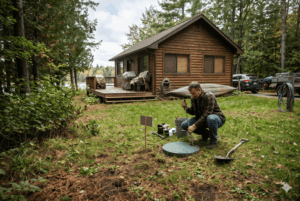
| Vehicle access | Mark the system’s location to prevent driving or equipment storage over it. |
Furnace condensate arrangements vary. Have any proposed change checked against local requirements rather than rerouting the discharge yourself.
Keep a system diagram, service reports, and the provider’s contact details together. Watkins Septic & Drain offers tank locating when the access points are difficult to find.
Should You Pump Your Septic Tank Before Leaving for an Extended Period?
Pump when the tank needs it, and discuss any additional winter-related reason with a septic professional. A long absence alone does not establish that pumping is necessary.
The EPA’s maintenance guidance identifies these pumping indicators:
- The bottom of the scum layer is within six inches of the bottom of the outlet.
- The top of the sludge layer is within 12 inches of the outlet.
- Sludge and scum together exceed 25 percent of the liquid depth.
A septic professional should take and interpret these measurements alongside the inspection findings.
| Situation | What to discuss with the provider |
| Solids reach the pumping threshold | Arrange pumping and ask about other maintenance needs. |
| Service history is unknown | Assess the tank rather than relying on the purchase date. |
| Home will be vacant in winter | Ask whether pumping is appropriate for this system’s freeze-protection plan. |
| High groundwater or saturated soil | Assess buoyancy and site conditions before pumping. |
University of Minnesota guidance discusses planned pumping as one possible measure for limited-use winter properties. It also identifies high groundwater as a reason to assess the risk of an emptied tank shifting or floating. This is a property-specific decision, not a blanket instruction to empty the tank before winter.
Owners arranging septic tank cleaning and pumping in Brighton, Highlands, Walled Lake, Milford, MI, can ask our experts at Watkins Septic & Drain to explain the findings and record the recommended next service date.
How to Protect a Vacation Home Septic System During Winter
Choose freeze-protection measures according to the system’s exposure, history, and expected winter use. An occupied cottage, a fully closed property, and a home with a history of freezing problems may need different plans.
The University of Minnesota’s seasonal care guidance describes several precautions. A local septic professional can help determine which apply to your Michigan property.
| Measure to consider | Important qualification |
| Leave grass slightly longer in fall | Extra growth may help retain insulating snow. Mowing dates vary by property. |
| Preserve snow cover | Keep vehicles and foot traffic off the system. Never store plowed snow on the drainfield. |
| Consider extra insulation | Mulch may help exposed or newly installed systems. Ask when and where to apply or remove it. |
| Secure access covers | Repair damaged covers and ask about insulation for exposed access points. |
| Plan for low winter use | Discuss occupancy with the provider. Occasional water use and pumping are not interchangeable. |
Where mulch is recommended, the university describes an eight- to twelve-inch layer of loose material. That is an option for particular freezing concerns, not a requirement for every system.
Do not add antifreeze, salt, or septic additives to prevent freezing. Do not leave water running continuously; that can overload the system.
Watkins Septic & Drain offers professional septic tank cleaning and pumping year-round. However, service availability does not make every date equally suitable for planned maintenance. If service is due, discuss it before freezing weather complicates access.
What Should You Do When You Reopen a Vacation Home?
Check the ground around the system and any visible components before returning to normal water use. If you find sewage, flooding, or signs of freezing damage, contact a septic tank pumping professional before putting more wastewater into the system.
Work through these checks:
1. Look for standing water. Check whether snowmelt or runoff is collecting over the tank or drainfield.
2. Watch for unusual wet areas. Persistent pooling, seepage, or unusually early green growth can indicate a problem that needs assessment.
3. Check visible covers. Confirm that risers, inspection pipes, and covers appear intact and secure.
4. Follow the home’s plumbing reopening plan. If the building was winterized, have the water supply and plumbing restored according to the instructions provided.
5. Check for leaks as fixtures return to use. Watch toilets, faucets, and accessible connections.
6. Attend to alarms. If the system has a pump or alarm, follow its operating instructions and contact the service provider about any warning.
Do not run large amounts of water simply to “flush out” the septic system. If you suspect freezing or find a saturated drainfield, ask the provider how to proceed.
Keep people and pets away from surfacing sewage and arrange professional help quickly.
How Often Should a Vacation Home Septic System Be Inspected?
Use general inspection intervals as a starting point, then follow recommendations for your system and actual use. Seasonal occupancy does not replace maintenance records or professional assessment.
The EPA recommends inspecting an average household system at least every three years.
Systems with pumps, float switches, or other mechanical parts generally need an inspection each year. Most household tanks need pumping every three to five years. The right interval depends on the tank’s size, how much wastewater enters it, and how quickly solids build up.
Checking the property yourself, having the tank pumped, and booking a system inspection cover different tasks:
| Check | Who handles it | What they check or do |
| Before closing or reopening | Homeowner | Review service records, check for leaks, and look for damaged covers or unusual wet spots. |
| Tank pumping | Septic service provider | Remove accumulated waste and perform checks included in the pumping service. |
| System inspection | Qualified septic professional | Assess the system’s condition and components within the agreed inspection scope. |
A septic tank pumping and cleaning appointment should not automatically be described as a complete system inspection. Ask what the visit includes and whether mechanical components, the drainfield, or other areas need separate evaluation.
Does a Septic System Need Maintenance When a Vacation Home Is Empty?
Yes. A vacant home still needs septic maintenance, although seasonal use may affect how quickly solids accumulate and when pumping is needed. Keep the service history, rather than assuming the system needs no attention or must be pumped after every season.
When no one is staying at the property:
- Problems can go unnoticed. A leaking toilet, damaged cover, or wet area over the drainfield may remain unchecked for months.
- Low use can increase freezing concerns. Little or no warm wastewater enters the system during an extended winter closure.
- Existing maintenance needs remain. An overdue inspection or damaged component still needs attention, even if the house will be empty.
Before leaving, review previous inspection findings and note any recommended work that has not been completed.
What Can Happen to a Septic System When a Property Sits Empty?
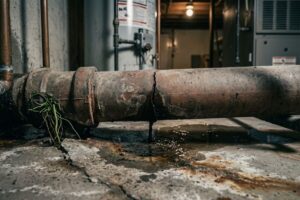
Leaks, freezing, damaged access covers, and traffic over the drainfield can cause problems while a vacation property is unattended. The risks depend on the property’s condition, the weather, and whether anyone checks it while you’re away.
- Unnoticed leaks: The EPA notes that a running toilet can waste up to 200 gallons daily. If the water supply remains on, that leak can continue while you are away.
- Freezing during low use: An unused system receives little warm wastewater. Cold temperatures, shallow components, and limited snow cover can contribute to freezing.
- Cold air entering the system: Broken or missing covers on risers and inspection pipes can expose components to cold air.
- Compacted soil or snow: Vehicles can damage buried components and compact the drainfield. Compacted snow also provides less insulation than undisturbed snow.
These are reasons to check the property before closing, not proof that every empty home will develop a septic problem.
How Watkins Septic & Drain Can Help With Vacation Property Maintenance
Watkins Septic & Draincan help owners arrange pumping, locate buried tanks, improve service access, and investigate suitable line concerns. Our family-owned company has served Michigan since 1979 and serves Livingston, Oakland, and Genesee counties, including Brighton, Highland, Milford, and Walled Lake.
| Property concern | Service to discuss |
| Tank may be due for pumping | Septic pumping |
| Tank location is unknown | Septic tank locating |
| Buried lids make maintenance difficult | Septic riser installation |
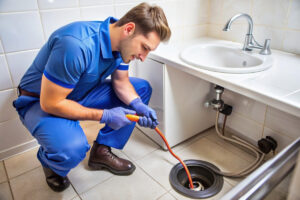
| A line problem needs investigation | Camera inspections, where appropriate |
When arranging septic tank cleaning and pumping in Highlands, Milford, Walled Lake, Brighton, MI, or another service-area community, explain how the property is used. Share the last service date, any previous freezing problems, and whether someone will stay there during winter. Those details help the provider assess the work needed.
Before You Lock the Door
Settle any outstanding maintenance questions before leaving the property unattended. Keep service records accessible, repair leaks, and make sure anyone visiting knows where the tank and drainfield are.
Watkins Septic & Drain brings decades of family-run septic maintenance experience across Michigan. If you need septic tank cleaning and pumping in Highlands, Milford, Walled Lake, Brighton, MI, or help with tank access or line concerns, call 248-249-3574 or use our contact page. Explain your closing date and winter plans so our team can discuss the appropriate next step.